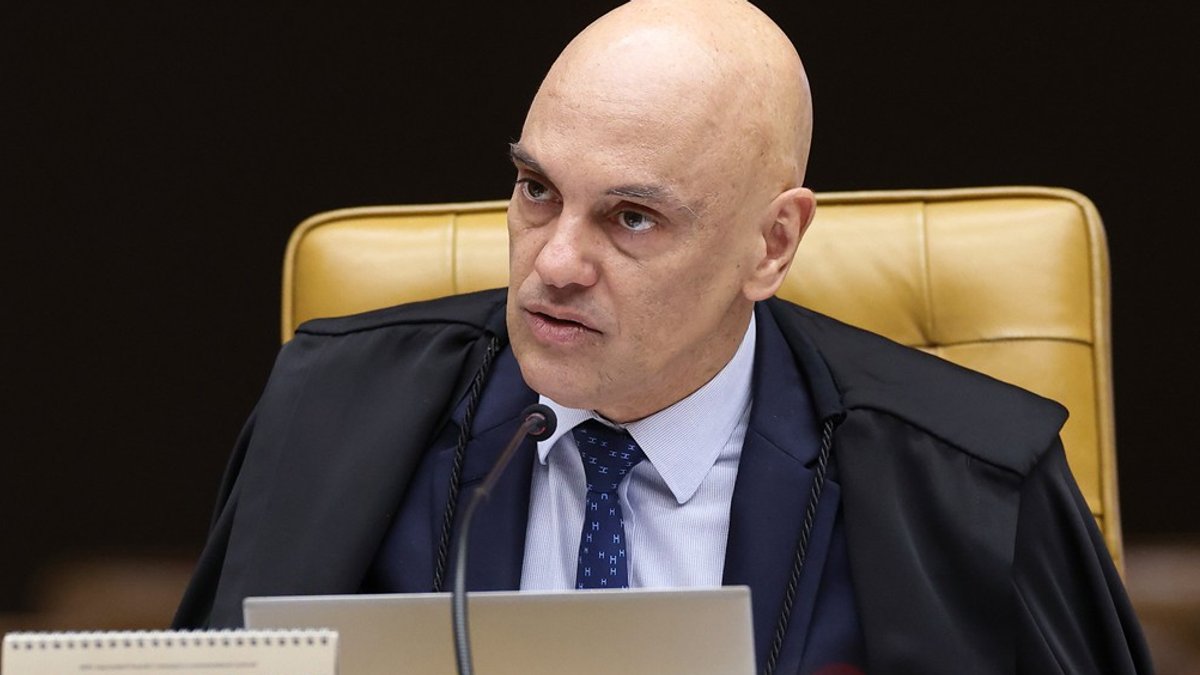
Minister Alexandre de Moraes granted a preliminary injunction to exclude the Defensoria Pública da União (DPU)’s own revenues from the spending cap of the fiscal framework. The decision, which will still be submitted to the plenary’s referendum, also applies to resources from agreements, contracts, or similar instruments signed with other federal entities or private entities.
The unused values, including those from previous exercises, may be used for DPU expenses, subject to available budget allocations or additional credits.
Autonomy and Fiscal Responsibility
According to the minister, submitting these funds to the fiscal limit may compromise the institution’s financial and budgetary autonomy and prevent the application of resources with specific destinations.
The discussion reached the Supreme Court in an action filed by the Associação Nacional das Defensoras e Defensores Públicos Federais (ANADEF) against provisions of LC 200/23, which instituted the new fiscal regime.
ANADEF’s Argument
The entity requested that the DPU’s own revenues linked to the funding of its activities be excluded from the spending cap, arguing that the Constitution ensures the Defensoria’s functional, administrative, and financial autonomy, as well as the initiative to elaborate its budget proposal.
ANADEF also argued that there would be no justification for excluding the Judiciary and the Federal Public Ministry’s own revenues from the cap and giving different treatment to the Public Defender’s Office.
Among the sources of resources mentioned are the honorários sucumbenciais (court costs) intended for the institution’s equipment and funds aimed at strengthening and expanding the DPU.
Moraes analyzed the request and stated that the DPU’s financial and budgetary autonomy is an essential element for fulfilling its constitutional mission of providing legal guidance and free assistance to those in need.
The minister noted that this autonomy must coexist with fiscal responsibility, which applies to powers and public bodies.
Precedents and Similar Treatment
Moraes highlighted that the fiscal regime itself provides exceptions to the cap for expenses of certain institutions funded with their own revenues.
The decision also relied on recent Supreme Court precedents involving the Judiciary and the Federal Public Ministry’s own revenues, which were excluded from the spending cap.
The minister’s decision is subject to the plenary’s referendum, which will further examine the issue and determine the final outcome.


