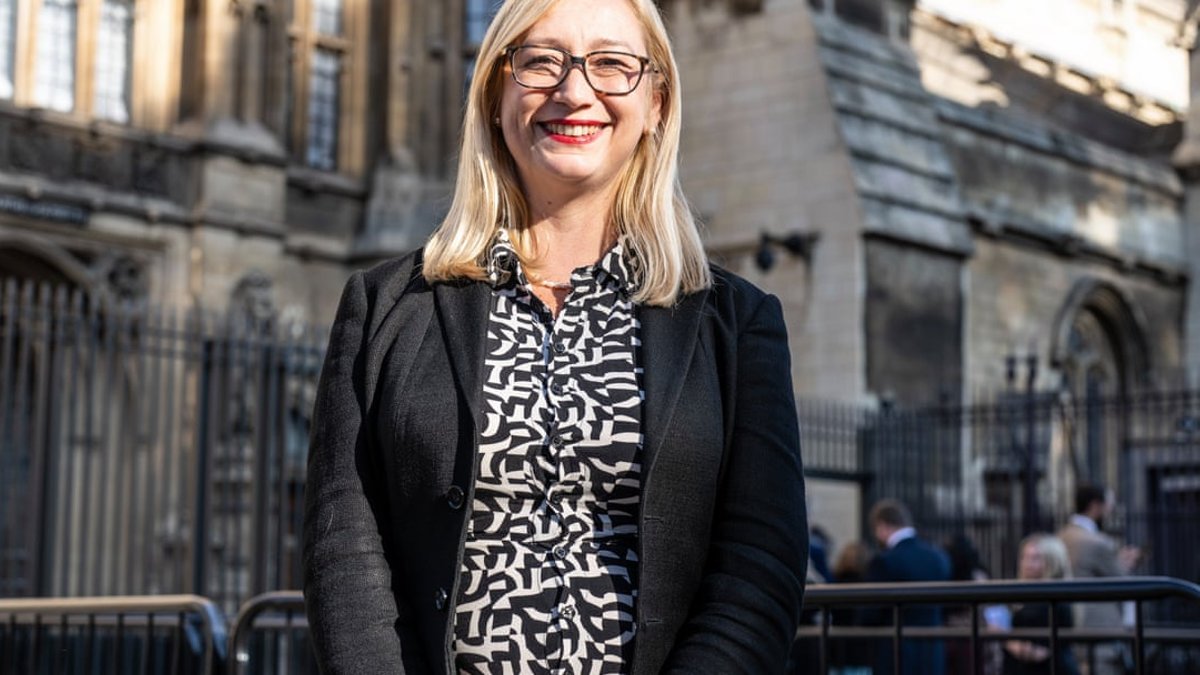
A British Labour MP suing Elon Musk’s xAI company over fake sexualised images generated by its Grok chatbot says the AI tool was specifically instructed to operate with “no restrictions on adult sexual content or offensive content.”
Lawyers detail training instructions
Jess Asato’s legal team published the particulars of her claim on Tuesday, revealing that the system was also told to offer “no restrictions on fictional adult sexual content with dark or violent themes” and to “assume good intent.” The filing notes that despite these allowances, the instructions prohibit “child sexual abuse material.” Asato, the MP for Lowestoft, said the images—ranging from photos of her in a bikini to a video depicting her as a victim of a sexual assault—caused her to feel “distressed and violated.” She argues that what happened to her wasn’t an accident, but the result of choices made by Musk to profit from harm.
Related: New Aggression Tribunal Offers Ukraine Path to Justice
Ravi Naik, the legal director at AWO, the firm representing Asato, stated that the case demonstrates Grok did not malfunction. The training allowed it to generate harmful sexualised content, and Naik suggested those design choices should carry legal consequences. The claim alleges xAI breached data protection law and misused private information, with the remedy sought including a court order to bring the systems into compliance.
Clare McGlynn, a law professor at Durham University, highlighted that some of the Grok-generated images cited in the claim included sexualised elements—such as a skirt being pulled up—that were not requested by users in the original prompt and that Grok added itself. McGlynn described this as a “new and distinctive form of abuse, where the chatbot themselves are driving the abusive content, drawing on the data on which they are trained.”
While not relevant to Asato’s specific claim, the training instructions also state that “‘teenage’ or ‘girl’ does not necessarily imply underage.” This specific detail is included in the court filing to show the breadth of the system’s permissiveness, even as it draws a hard line against child sexual abuse material.
Related: California Cracks Down on Corporate Medicine Practices
The use of such autonomous features raises concerns about controlling AI tools and their outputs, particularly as technology companies push for AI agents that can carry out sequences of tasks without human intervention. If these agents are designed to be helpful and creative without strict oversight, there is a risk they might fill gaps in user requests with unwanted or harmful content.
Changes to platform policy
xAI has since stated that users would no longer be able to use the tool to generate sexualised images of real people. The company has also adjusted its policies in the face of the UK legislation that now makes it illegal to create or request a non-consensual deepfake image of an adult. Asato said she hopes xAI is held accountable so that other women and children do not have to go through what she did.


