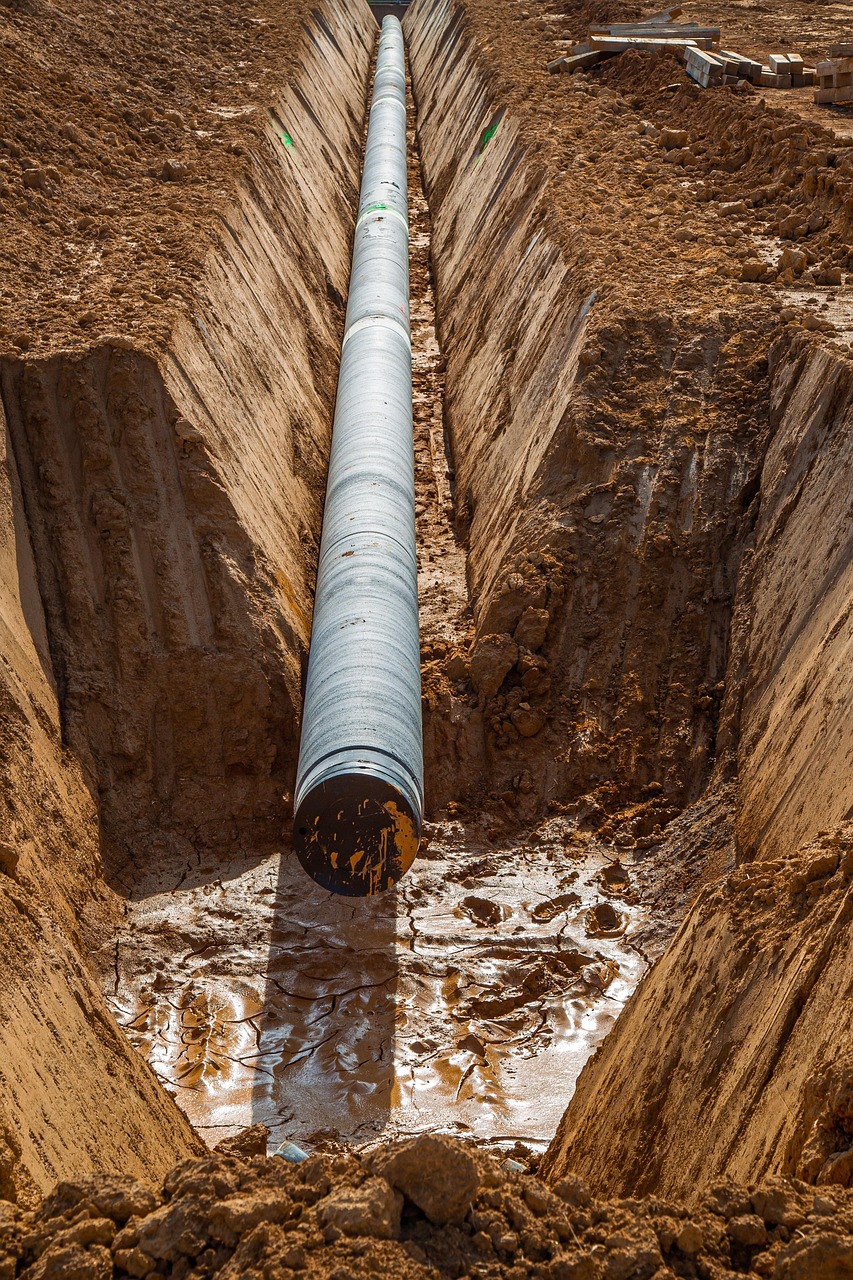
The Federal Energy Regulatory Commission (FERC) has proposed a significant overhaul of its natural gas blanket certificate program, which could have far-reaching implications for the industry. The unanimous vote on May 21, 2026, would roughly double the cost thresholds for pipeline companies to build and modify infrastructure without seeking case-by-case FERC approval.
The Notice of Proposed Rulemaking (NOPR) would raise the automatic authorization cost limit from $14.5 million to $30 million and the prior notice cost limit from $41.1 million to $86 million. It would also expand the categories of projects eligible for streamlined authorization and extend the blanket certificate framework to LNG facilities for the first time.
According to the report, this change is the most significant natural gas permitting reform in two decades, and its practical implications reach every segment of the industry. Energy executives and general counsel across the oil and gas, midstream, LNG, and power sectors need to understand what changed, what is still proposed, and what happens next.
Under Section 7 of the Natural Gas Act, interstate natural gas pipelines generally need FERC authorization before they can construct, operate, or modify facilities. The blanket certificate program, created in 1982, allows pipeline companies to undertake smaller projects without going through the full case-specific authorization process, as long as the project falls below specified cost thresholds.
However, construction costs have risen sharply since the thresholds were last set, and projects that should be routine have been pushed outside the blanket certificate thresholds due to inflation. The May 21 NOPR proposes to raise the cost thresholds to reflect current construction costs.
Related: The Foundation of Society: Understanding Law and Its Importance
FERC Chairman Mark Christie framed the action around reliability, stating that new and expanded natural gas infrastructure is essential to help America avoid a grid reliability crisis. The unanimous vote signals broad institutional consensus that the current framework has become an obstacle to the infrastructure buildout the country needs.
Implications for the Industry
The NOPR has significant implications for midstream and pipeline companies, which are the most direct beneficiaries of the proposed changes. Projects that currently require a full Section 7 certificate application may qualify for automatic or prior notice authorization once a final rule is in place.
The extension of blanket authorization procedures to LNG facility activities is a meaningful development for a sector that has faced long and unpredictable permitting timelines. Faster authorization for LNG infrastructure work has both commercial and geopolitical significance.
Upstream producers and industrial gas buyers will also benefit from faster midstream infrastructure build-out, which means fewer bottlenecks and more predictable access to water standards and markets. Contractors and oilfield services companies will see accelerated capital deployment for pipeline infrastructure decisions.
Next Steps
The NOPR is a proposed rule, not a final one, and FERC will accept public comments before issuing a final rule. The comment process typically takes several months, and the final rule may differ from the proposal in ways that matter for specific project types or geographies.
Related: Reversing the Expat Tide: Why Americans Are Repatriating to the US in Record Numbers
Three issues are likely to generate the most substantive comment and potential modification in the final rule: environmental review requirements, landowner protections, and rate treatment of blanket certificate projects. Companies with significant capital programs that would benefit from the expanded blanket thresholds have a direct financial interest in the final rule being robust and durable.
FERC’s action is part of a broader regulatory reset that has been building since early 2025. The direction is consistent, and the votes have been unanimous. The regulatory environment for natural gas infrastructure is becoming materially more favorable than it was 18 months ago.
They have moved to repeal Order 871, raise blanket certificate thresholds on a temporary basis, explore blanket authorizations for LNG and hydroelectric projects, and now propose a permanent overhaul of the program.
For now, the window for faster infrastructure development is open, and companies positioned to execute in that environment have a unique opportunity. As the comment process unfolds, it remains to be seen whether the momentum will survive potential litigation from environmental challengers and future Commission composition changes.

