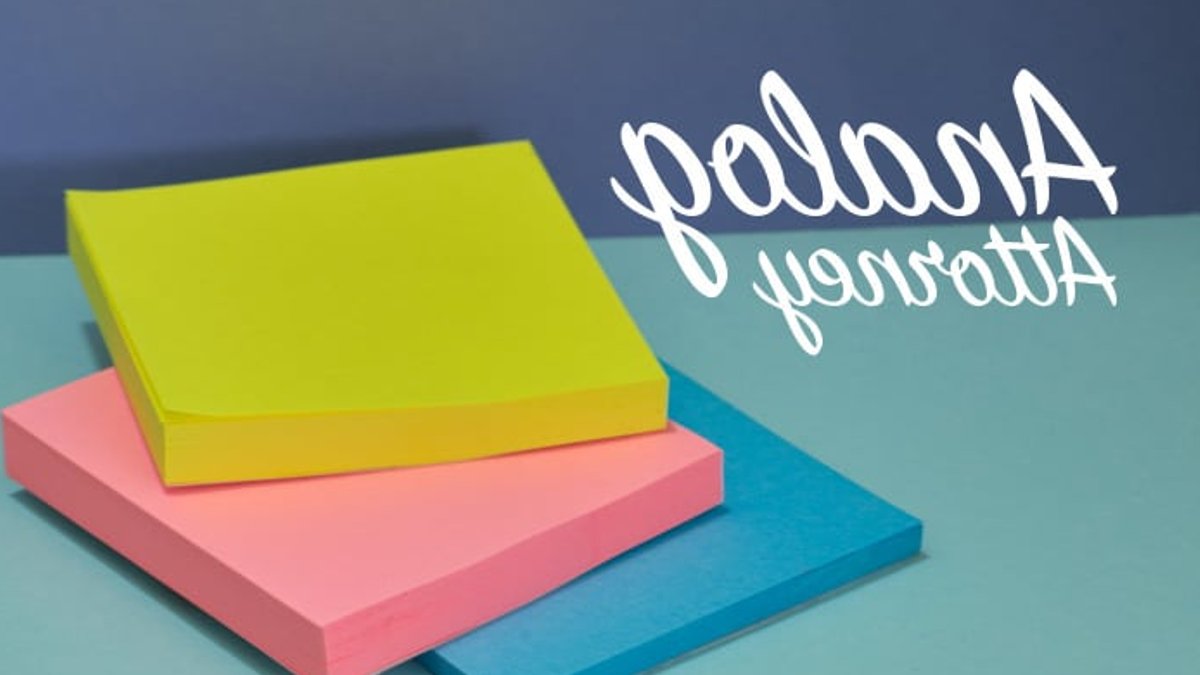
Sticky notes have been a staple of offices, classrooms, and home workspaces for decades. 3M produces 50 billion of them each year, showing how common they are. They’re inexpensive, require no instructions, and adapt to almost any task—from brainstorming sessions to to-do lists. Yet for all their usefulness, most sticky notes look like they were designed for a kindergarten craft project rather than a professional setting.
The Problem With Neon Chaos
Walk into any conference room or war room, and a whiteboard covered in a rainbow of sticky notes is a common sight. The effect can feel overwhelming—more like a circus than a corporate space. Bright orange, lime green, and hot pink dominate, often featuring distracting slogans or cartoonish designs. For professionals who rely on these notes for serious work, the options can feel limited.
Some brands have recognized the demand for sticky notes that combine functionality with a more polished look. The goal isn’t just to stick something to a wall—it’s to do so without creating visual clutter.
Related: Fund Payments Governed by Grammar Rules
Options for the Discerning Professional
Stalogy’s translucent notes stand out for those who need precision. The notes are thin enough to write on while still allowing whatever’s underneath—blueprints, charts, or illustrations—to remain visible. They come in plain, lined, or gridded formats, making them ideal for detailed annotations. A junior associate, for instance, can see exactly where changes are needed without the note blocking the original document.
Kokoyu’s Techno ToDo sticky notes take a different approach. Designed to fit seamlessly into the Kokuyu Jibun Business Notebook, they’re small, unobtrusive, and adaptable to various journaling systems. The brand’s F.O.B. Coop weekly lists offer a similar minimalist design, while Mochithing’s slim sticky notes provide a range of colors without the visual noise.
Midori, known for its high-quality paper, offers Diary stickies—printed with monthly calendars and made from the same 55-gram paper as their notebooks. These aren’t just functional; they’re designed to integrate smoothly into a Midori Traveler’s notebook. The brand also sells whimsical designs, like foldable sticky notes with hidden message spaces, though those might not suit a boardroom.
The system has inspired an entire subculture of customization. Etsy is full of third-party covers, inserts, and accessories, including Card File stickies that add a sleeve to any page. The flexibility makes it popular among professionals who want a single notebook that adapts to different needs.
Related: Meta Glasses Banned from English and Welsh Courts
A simpler solution is the Cubinote printer, which prints custom sticky notes directly from a desktop or phone. At $150 plus the cost of paper, it’s an investment, but for office managers or anyone who labels obsessively, it’s an upgrade from a standard label maker.
Despite digital alternatives, sticky notes remain popular. Their simplicity is their strength—no apps, no learning curve, just a blank square ready for an idea. Whether it’s a neon green reminder on a monitor or a translucent note on a blueprint, the right sticky note can make a workspace more functional without sacrificing professionalism.
A desk covered in sticky notes still means work is getting done.


