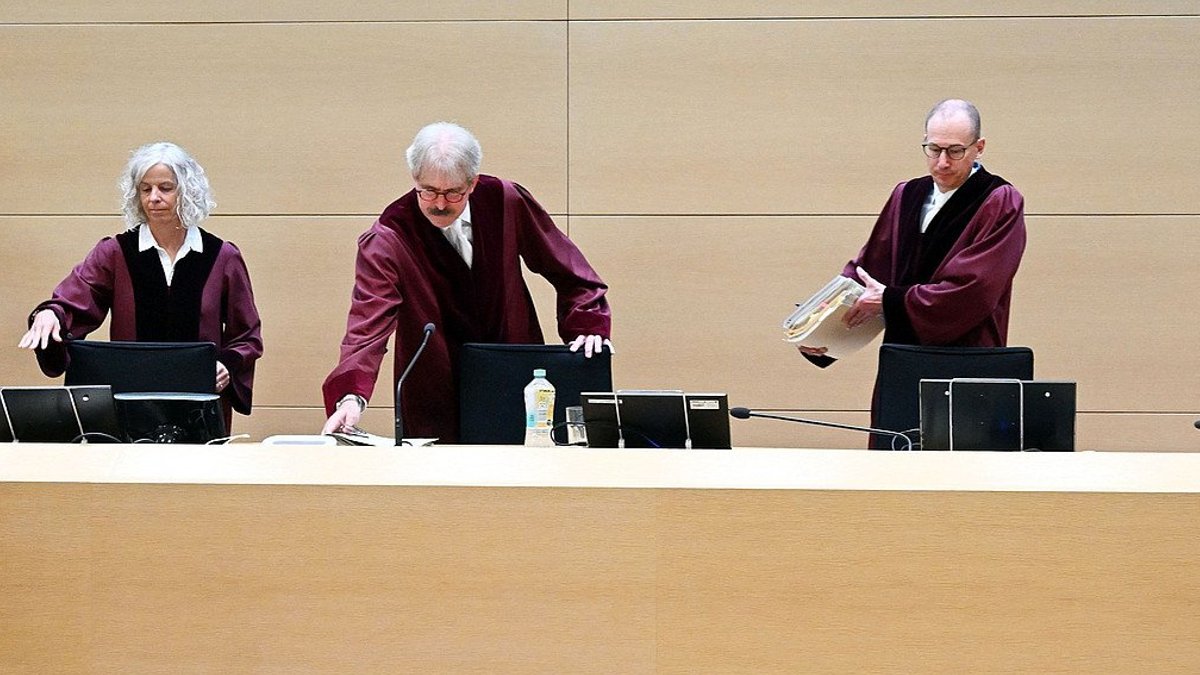
Their disagreement centers on one rule in the German Civil Code. This rule concerns rent payments and eviction notices.
The dispute centers on whether a tenant’s payment of overdue rent within a certain time frame, known as the “Schonfrist,” can prevent not only an immediate eviction but also a regular eviction notice.
The Berlin Regional Court’s position is based on the idea that the purpose of the Schonfrist is to protect tenants from eviction and that this protection should not be limited to only immediate evictions.
Read Also: Law Student Checks Exam Results at European Lacrosse Championship
The German Federal Court of Justice has pointed out that the Schonfrist was introduced specifically to protect tenants from immediate evictions and that it should not be applied to regular eviction notices.
The dispute between the German Federal Court of Justice and the Berlin Regional Court has significant implications for tenants and landlords in Germany, as it affects the rights and obligations of both parties in the event of overdue rent payments.
The Berlin Regional Court’s refusal to follow the German Federal Court of Justice’s lead has created a situation in which different courts may apply different interpretations of the law, leading to uncertainty and inconsistency in the application of the law.


