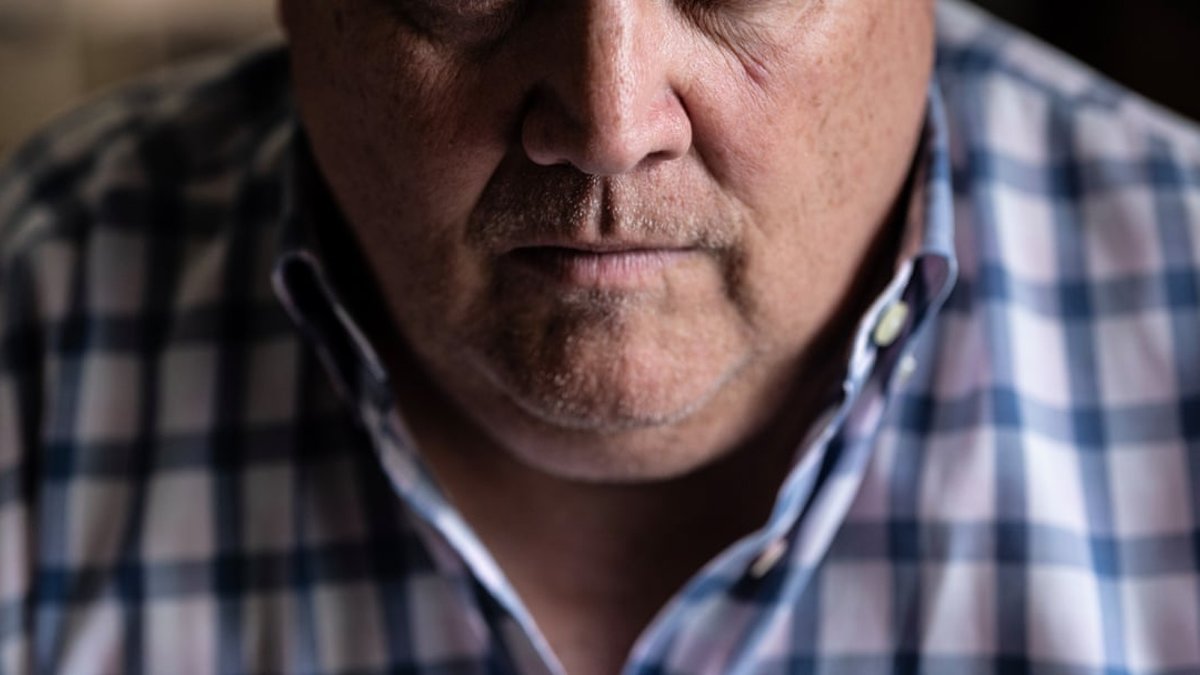
Peter Waddell, founder and former chief executive of the £300 million used‑car firm Big Motoring World, was removed after a High Court judge concluded that private‑equity investors orchestrated a plan to oust him without paying for his shares.
Judge finds investors engineered removal
Mr Justice Marcus Smith said Freshstream, the private‑equity firm that bought a one‑third stake in Big Motoring World in April 2022, devised a “pre‑conceived and orchestrated plan” to secure permanent control of the business. The scheme worked backwards from the investor’s aim of removing Waddell and avoiding the exercise of a call option that would have required payment for his remaining shares.
The court noted that the firm allowed Waddell’s alleged racist and sexist remarks to continue unchecked until it could position itself to force his exclusion. While the judge affirmed that Waddell was “properly dismissed for gross misconduct,” he also said the investor “failed to address … [Waddell’s] behaviour” and instead used it as a pretext for a takeover.
Company performance and ownership structure
Big Motoring World, based in Kent, reported revenues of £371 million and profits of £6.6 million in its 2021 accounts, employing 525 staff members. Freshstream’s investment gave it a significant minority stake, with a contractual right to acquire the remainder of the business later. private‑equity investors often embed such options to protect future interests.
Waddell, who is deaf and has dyslexia, built the company from modest beginnings after a childhood in care and a period of homelessness. He has argued that a downturn in trading prompted the investors and senior staff to plot his removal, claiming his “manner of speaking” was known to the firm before the initial investment.
The judgment also highlighted that disciplinary action against him should have been considered earlier, ideally imposing limits rather than leading to dismissal. The finding suggests the investor’s inaction was a strategic choice, allowing the situation to evolve to a point where he could be expelled without triggering the call option.
Related: Burnham faces prison reform dilemma
Freshstream’s spokesperson welcomed the decision that Waddell was rightly dismissed for “gross misconduct, including repeated acts of bullying and harassment.” The statement added that several of his claims regarding the shareholders’ documents had failed, and that the firm remains in control of the business.
“It is disappointing that the judge has made a number of findings … in relation to steps … to address Mr Waddell’s conduct, despite his obvious acts of racism, misogyny and bullying,” the spokesperson said, noting that the company is “considering all available options with their legal teams.” Remedies will be determined at a later hearing.
For the employees who depend on the dealership’s stability, the legal tussle could mean uncertainty about future leadership and ownership. If the investor consolidates control, decisions about staffing, compensation, and strategic direction may shift, affecting thousands of workers who rely on the firm for their livelihoods.
Waddell, reflecting on the judgment, said “justice had been done” and expressed a desire to reacquire the company. He maintains that the investors’ actions were driven by a desire to seize control rather than address his misconduct.
The case reveals how disputes between private‑equity investors and founders can become tangled when governance issues arise in businesses that have grown rapidly from modest origins to multi‑hundred‑million‑pound enterprises.


