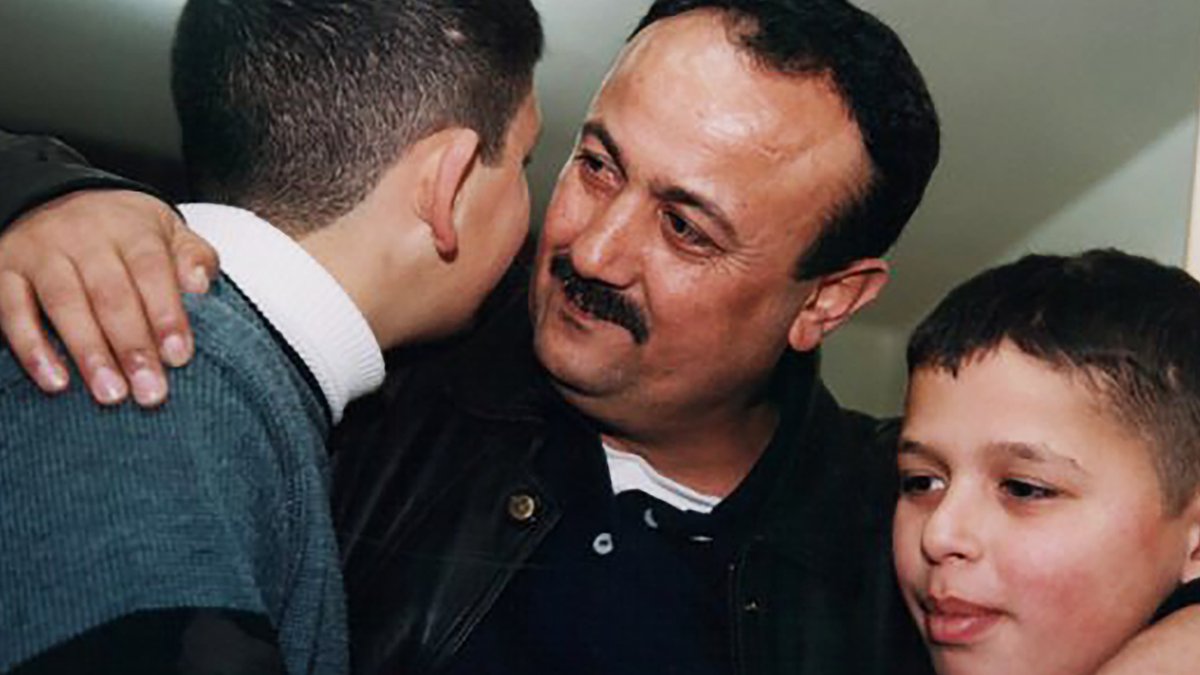
Marwan Barghouti has spent more than two decades behind Israeli walls, yet his political influence remains strong. The former student activist, elected to the Palestinian Legislative Council in 1996, is a vocal proponent of a two‑state solution. Israeli authorities arrested him in 2002 during the Second Intifada and, after a 2004 trial, sentenced him to five life terms plus 40 years. He has refused to recognize the Israeli court’s jurisdiction, arguing that a Palestinian resident of the occupied West Bank cannot be tried by an occupying power.
He remains a symbol of resistance.
Lawyer Ben Marmarelli on the conditions of confinement
In an interview with JURIST, Israeli attorney Ben Marmarelli—who represents Barghouti—described a pattern of escalating abuse since the October 7, 2023 attacks. He said Barghouti was beaten three times in recent weeks, including a severe assault on April 8 at Ganot Prison that left him bleeding for over two hours without medical care. A prior incident on March 25 involved a transfer from Megiddo to Ganot, and on March 24 guards entered his cell with a dog that repeatedly attacked him.
Marmarelli noted that prison visits have become “absurd”: phones often fail, communication occurs through thick glass, and lawyers may be forced to sit for hours without food or water. “Even the most elementary human and professional standards are ignored,” he said, highlighting the hardship of legal representation under current conditions.
Marmarelli added that the Israeli Prison Service (IPS) routinely cancels visits on short notice, citing unrelated security concerns. When he filed a petition to the Nazareth district court on March 22 to secure a visit, the IPS responded by beating Barghouti on March 24, then transferring him to another facility—a tactic described as “a war of attrition” aimed at exhausting lawyers.
Related: France bans social media for under‑15s
Broader picture of Palestinian prisoners
Marmarelli argues that Barghouti’s experience reflects “ordinary treatment” for Palestinian political detainees. Since October 7, guards have stripped prisoners of personal belongings, seized books, and limited outdoor time. He cited a policy announced by National Security Minister Itamar Ben Gvir that reduced food rations to roughly 800 calories per day for all political prisoners, regardless of individual needs.
The lawyer described the resulting weight loss and a stark appearance of some taller inmates. Hygiene supplies are also scarce. One client reportedly wore the same underwear for over a year until a petition secured a second pair in December 2025. Cells designed for six people now hold twelve, and mattresses are often missing. The Red Cross and even members of the Knesset have been denied access to prisons since the 2023 attacks, leaving legal visits as the only limited point of contact.
According to him, the Supreme Court’s focus has shifted away from protecting these basic rights, especially amid ongoing judicial reforms. He warned that the legal framework that once offered modest safeguards is now being eroded, leaving prisoners vulnerable to arbitrary punishment.
The recent legislation that makes the death penalty mandatory for Palestinians convicted of murder in military courts removes the final judicial discretion that previously prevented executions. While this cannot be applied retroactively to Barghouti’s case, the change signals a broader hardening of policy toward Palestinian detainees. If the trend continues, the legal avenues for contesting such measures could become increasingly limited.


