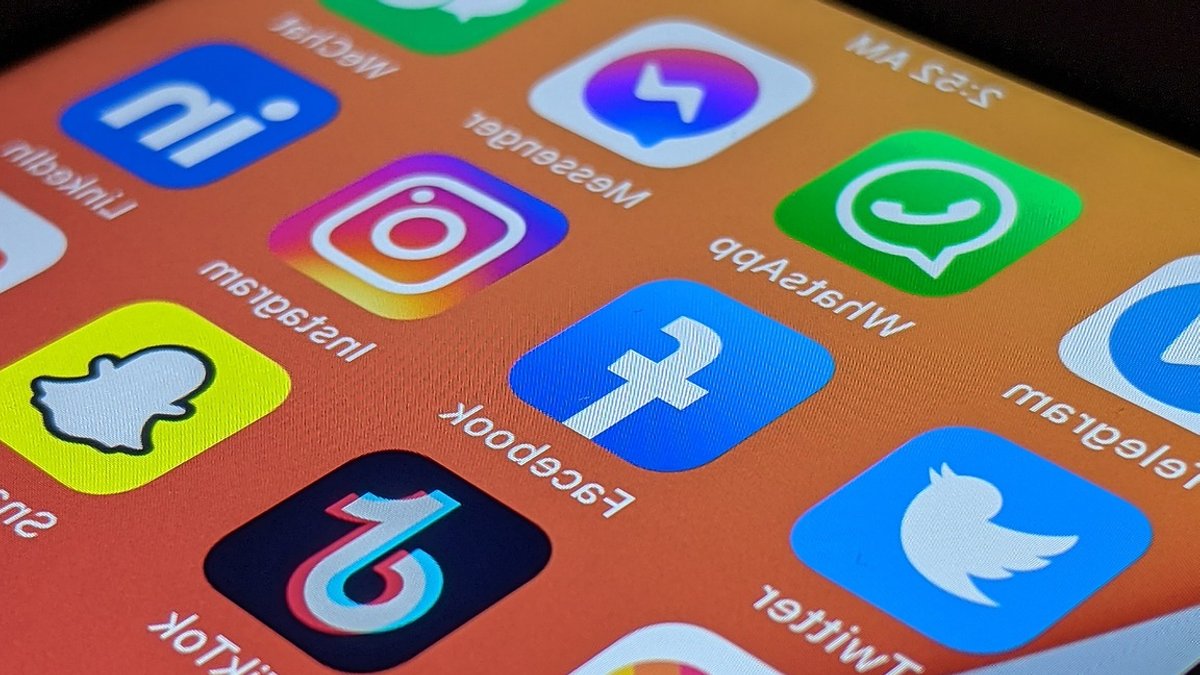
France passes new legislation banning social media for youth under 15, a move lawmakers say will protect mental health and curb cyberbullying.
Parliament approves sweeping ban after lengthy debate
On Tuesday, French legislators voted to adopt a bill that prohibits anyone younger than 15 from using social networking sites. The measure also bars children from possessing mobile phones while at school. Support for the proposal was strong, with a majority of votes recorded in the parliamentary records.
Because the EU Digital Services Act already governs online platforms across member states, officials had to inform European authorities to confirm the new law would not clash with bloc-wide rules. The DSA aims to keep the Digital Single Market unified, so any national regulation must fit within that framework.
Related: Court to Hear Trump Citizenship Challenge
Disagreement between the two chambers complicated the process. The lower house, the National Assembly, pushed for a blanket prohibition covering all platforms, while the Senate argued for a more selective approach that would allow certain services with parental consent. Senators claimed a two‑tiered system would pose a lower risk of violating EU regulations.
After nearly four months of deliberations, a joint parliamentary committee produced a unified draft that enforces the ban for anyone under 15. Backed by President Emmanuel Macron’s administration, the proposal gained momentum following a tragic school stabbing that sparked a parliamentary inquiry into the impact of social media on young people.
Legal and constitutional hurdles remain
Lawmakers referenced private lawsuits against TikTok alleging that the platform exposed teenagers to harmful content, leading to addiction, depression, and anxiety. Those cases added political pressure to advance the child‑protection effort.
Before the law can take effect, it must undergo a constitutional review. Critics argue the restriction could infringe on fundamental civil liberties, including the right to privacy and the evolving definition of digital rights for minors.
Related: Courts grapple with AI hallucinations over missing citations
In practice, the legislation could reshape daily routines for families. Parents may find themselves negotiating new rules about device use, while schools will need to enforce the prohibition on campuses.
Younger users might turn to alternative, less regulated digital spaces.
Supporters hope the restriction will reduce screen time and limit exposure to harmful content, but the actual impact will depend on enforcement mechanisms and how quickly families adapt to the new limits.


